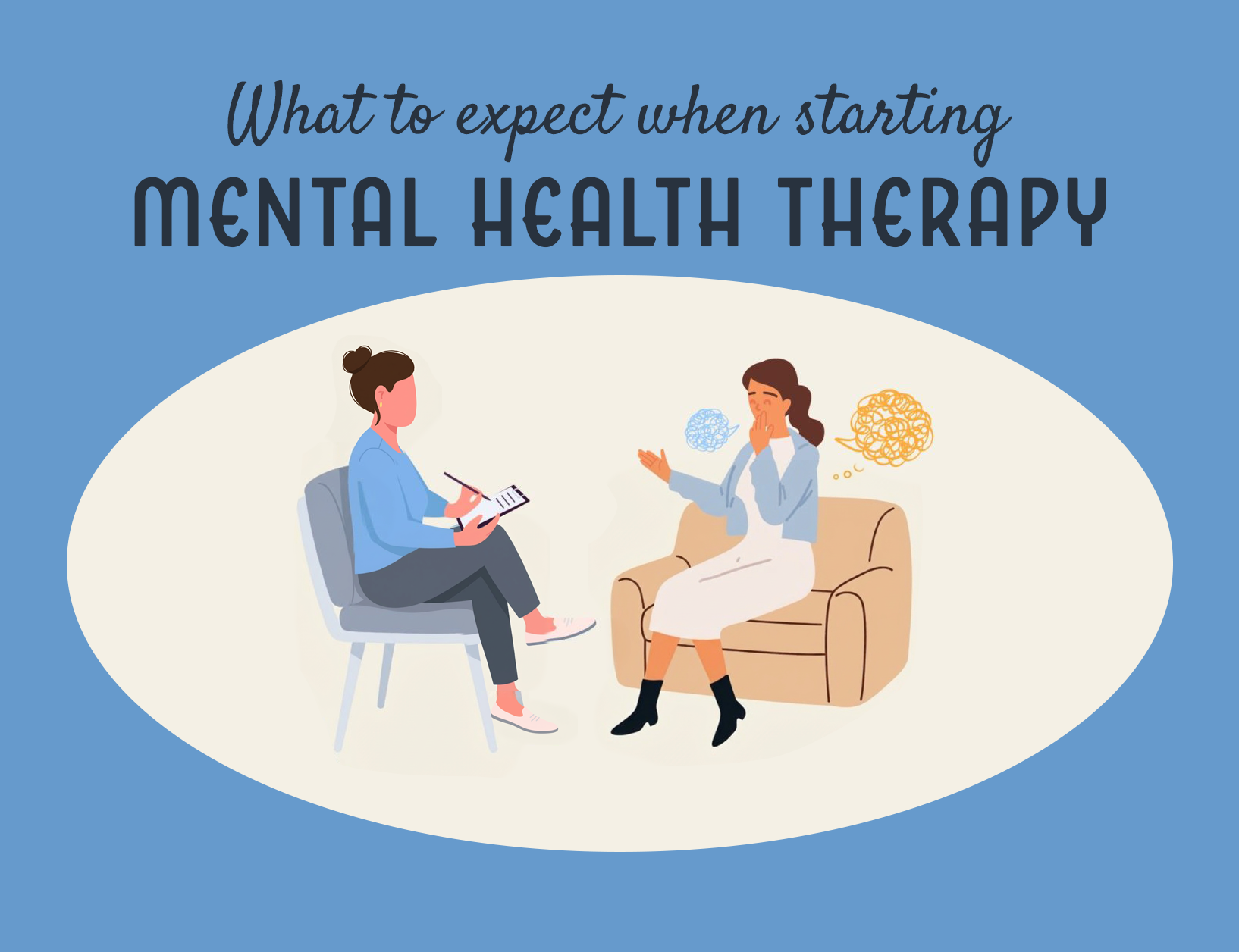
Starting Therapy for Anxiety or Depression: A Guide to Your First Steps
Thinking about starting therapy for anxiety or depression can bring up a lot at once: hope, hesitation, relief, uncertainty. Many people know they want support but still feel unsure what therapy will actually be like, or whether it will really help.
If therapy is new to you (or if you’ve tried it before and it didn’t feel quite right) it’s common to have questions lingering in the background.
People often wonder what sessions look like, whether they need to have everything figured out before starting, or if they’ll be expected to talk about deeply personal things right away. That uncertainty alone can make reaching out feel harder than it needs to be.
Therapy is a vulnerable step. Not knowing what to expect doesn’t mean you’re not ready, it usually just means you’re human.
Anxiety and depression are often talked about in clinical terms, but in real life they show up in many different ways. Some people experience constant worry or racing thoughts that never fully quiet down. Others feel emotionally numb, unmotivated, or disconnected from things they used to enjoy. Anxiety might show up as panic, physical tension, irritability, or trouble sleeping. Depression can feel like low energy, self-criticism, withdrawal, or a sense of being stuck.
There isn’t a single way anxiety or depression is “supposed” to look. You don’t need to fit a specific description to benefit from therapy. Therapy isn’t about proving how bad things are or getting the right label, it’s about understanding your experience and finding support that fits you.
What Actually Happens in Your First Therapy Session?
When people imagine their first therapy session, they often picture having to explain everything all at once. In reality, the first session is usually about getting oriented and building a foundation. You can expect your therapist to ask about what’s been going on, what prompted you to reach out, and what you’re hoping might change. There may be some discussion of your history or background, but pacing matters. You’re not expected to share your entire life story in one sitting.
The first session is also a chance for you to get a feel for the therapist- how they communicate, whether you feel comfortable, and whether the space feels safe enough to continue. Therapy works best when there’s trust, and that develops over time. Many people begin therapy feeling unclear or unsure about how to put their experience into words. That’s not a problem, therapy can help bring clarity as the process unfolds.
How Therapy Helps with Anxiety
For anxiety, therapy often focuses on understanding how your nervous system responds to stress, fear, or uncertainty. Anxiety is deeply connected to the body, not just thoughts. Therapy may involve noticing patterns, identifying triggers, and learning ways to regulate your nervous system when anxiety spikes. This can include building awareness of how thoughts, emotions, and physical sensations interact, as well as gently addressing avoidance behaviors that can keep anxiety going even when they feel protective in the moment.
The goal isn’t to eliminate anxiety completely. Anxiety exists for a reason. Therapy helps reduce its intensity and influence so it no longer dictates your choices or limits your life.
How Therapy Helps with Depression
Therapy for depression often looks a little different. Depression can affect mood, motivation, energy, and how you see yourself and the world around you. Many people feel disconnected from themselves, from others, or from things that once mattered. Therapy for depression is often about slowly rebuilding that connection in a way that respects where you are.
This might include exploring emotional numbness or low mood, noticing patterns of withdrawal, addressing harsh self-criticism, and supporting emotional awareness and expression. Therapy doesn’t require you to push yourself beyond your capacity. Healing happens by working with your energy and pace, not against them. Progress is often subtle at first- feeling slightly more connected, a bit more aware, or more compassionate toward yourself can be meaningful shifts.
Do I Have to Talk About Trauma Right Away?
A common concern people have is whether starting therapy means immediately talking about trauma. The answer is no. Therapy prioritizes safety and readiness. Early sessions often focus on understanding what’s happening now, building coping skills, and establishing trust in the therapeutic relationship. If deeper processing becomes part of the work later on, it happens thoughtfully, collaboratively, and only with your consent. You remain in control of what you share and when.
What Do Weekly Therapy Sessions Look Like?
Therapy sessions themselves aren’t scripted, and they don’t look the same week to week. Many people describe therapy as collaborative rather than directive, supportive rather than judgmental, and focused on both understanding and practical change. Some sessions may feel emotionally heavy; others may feel grounding or clarifying. Progress isn’t linear. Feeling better doesn’t always mean feeling good after every session, it often means developing more awareness, more choice, and more self-compassion over time.
There’s also no universal timeline for therapy. Some people notice changes within a few weeks, especially when learning coping or regulation skills. Others benefit from longer-term work, particularly if anxiety or depression has been present for a long time or is connected to deeper patterns. A good therapist will check in regularly about how therapy is feeling and adjust the approach as needed.
A Common Misconception: You Are Not Broken
One of the most common misconceptions about therapy is that it’s about fixing something that’s broken. In reality, therapy recognizes that anxiety and depression are often responses to stress, loss, trauma, or unmet needs. Your symptoms developed for a reason. Therapy isn’t about blame or judgment, it’s about understanding those patterns and supporting your nervous system in new ways.
Taking the First Step (Even if You Don’t Have It All Figured Out)
Many people start therapy without knowing exactly what they need. They may simply know that something doesn’t feel right, or that they don’t feel like themselves anymore. You don’t need clarity before beginning therapy. Often, clarity emerges through the process itself.
It’s also important to know that therapy doesn’t always feel immediately relieving. Early sessions can sometimes feel emotionally activating or slower than expected as awareness grows. That
doesn’t mean therapy isn’t working. Open communication with your therapist about how therapy feels can help guide the process and ensure it remains supportive.
If you’re considering therapy for anxiety or depression and want to explore what support might look like, reaching out can be a gentle first step. At Verne Wellness, the intake process is designed to be thoughtful and collaborative: a space to ask questions, share what you’re hoping for, and see whether therapy here feels like a good fit.
To learn more or schedule a consultation, you can contact our Clinical Account Specialist:
Emily Whitman
862-330-1727, extension 3
You don’t need to have everything figured out to begin. Sometimes, starting the conversation is enough.
